Articles
Coverage of the Group’s latest activities, announcements, and events.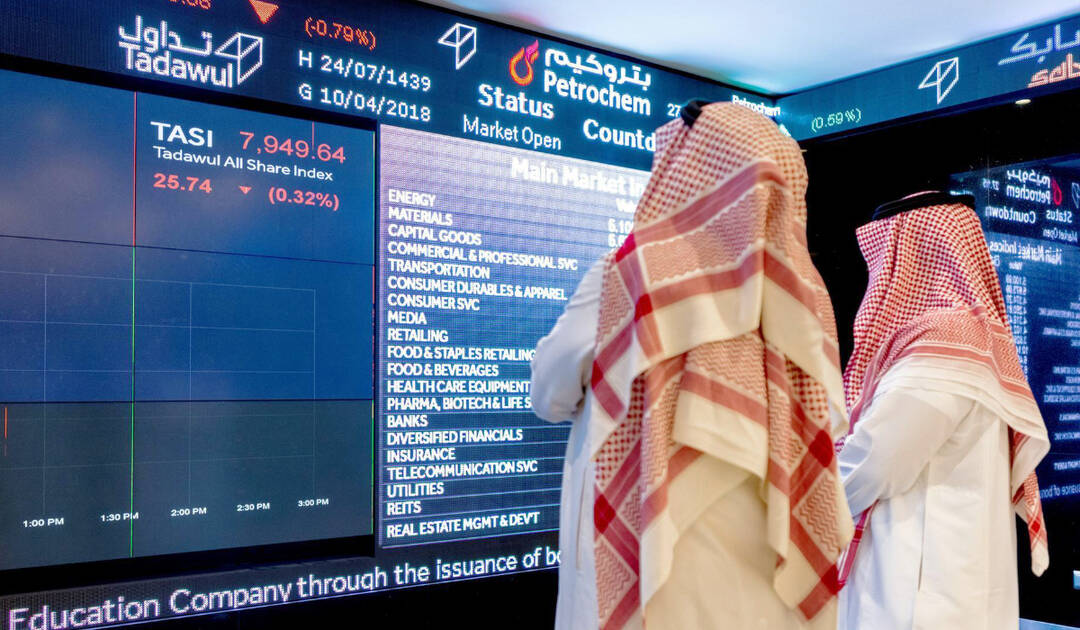
2026
Will liquidity return to the Saudi capital market?
A recent announcement by the Saudi Capital Market Authority has lifted the final barriers to direct foreign ownership of Saudi stocks. Although qualified foreign investors have had access since 2015, the process involved registration requirements and certain restrictions. The new rules simplify access, allowing all international investors to participate directly on par with domestic investors.
The key positive impacts may include enhanced liquidity, improved market valuations, faster integration into global indices, diversification of the investor base, and knowledge transfer. On the other hand, challenges may include increased correlation with global markets, potential short-term volatility driven by external factors, and the need for continuous regulatory evolution to align with global standards.
Regarding timing, Saudi Arabia presents a unique and increasingly attractive investment opportunity, backed by strong fundamentals such as economic size and reform momentum, high market capitalization, a robust fiscal position, and substantial foreign exchange reserves, all supported by a young and expanding population that fuels domestic consumption.
Mazin Al-Romaih
The full opening of the Saudi capital market marks a milestone with wide-reaching impacts. It significantly enhances liquidity, valuation prospects, and global integration, strengthening Tadawul’s position as a key G20 market. The market’s attractiveness is evident, supported by solid fundamentals, unique opportunities driven by Vision 2030, and rapidly improving infrastructure and regulation, although cautious investors continue to weigh valuations and geopolitical risks.
Foreign institutions tend to prioritize markets with strong, independent exchange governance. The new board signals Tadawul’s shift from a state-run entity to a commercially oriented, globally competitive exchange group that focuses on investor needs and aligns with leading international standards. This change directly reduces perceived operational and governance risks, making the market more attractive to global investors.
The new Tadawul board, led by Mazin Al-Romaih, is well positioned to play an important role. Its focus on governance, international engagement, product innovation, and alignment with national goals directly addresses key requirements for attracting and retaining foreign institutional investment.
Al-Romaih’s broad experience with global and local financial institutions, along with his expertise from his tenure at the Saudi Capital Market Authority, makes him highly qualified to lead and oversee this important transition.
Saudi Arabia is not merely opening its market; it is actively transforming it to become a central pillar of its future economy. For foreign investors, it offers a compelling, dynamic, and increasingly sophisticated opportunity. The pace of change has accelerated, and the world is watching as liquidity is expected to flow into one of the world’s most attractive capital markets
2025
TOURISE 2025 has risen beyond expectations
The TOURISE 2025 conference in Riyadh was widely regarded as a standout event compared to typical tourism and hospitality conferences in the region.
Instead of focusing only on traditional topics like destination marketing and hotel occupancy, the conference was designed as a broad, cross-sector platform that brought together tourism boards, tech startups, sustainability experts, investors, and creative industries under one umbrella.
Its impact would be measured not just by attendance numbers but also by the diversity of stakeholders involved and the scope of its goals: integrating smart-city technologies, cultural preservation, entertainment, and ecotourism into a unified vision.
Unlike other conferences that focus solely on trade-show-style exhibits and keynote speeches, TOURISE 2025 sets itself apart by combining high-level policy discussions, interactive innovation showcases, and deal-making sessions into a thoughtfully curated program.
Another aspect that distinguishes TOURISE 2025 from other events is its alignment with long-term national strategies for economic diversification and tourism growth, such as Saudi Arabia’s Vision 2030.
Another unique feature is the rotating stage, which I have not seen at any other high-profile conference. This feature added a showcase focused on experiential and immersive formats rather than traditional seating-style sessions.
TOURISE 2025 showcased not only speeches and slides but also live demonstrations of innovative destination technologies — such as AI-powered visitor guidance, augmented reality heritage tours, and digital twin models of future tourism zones.
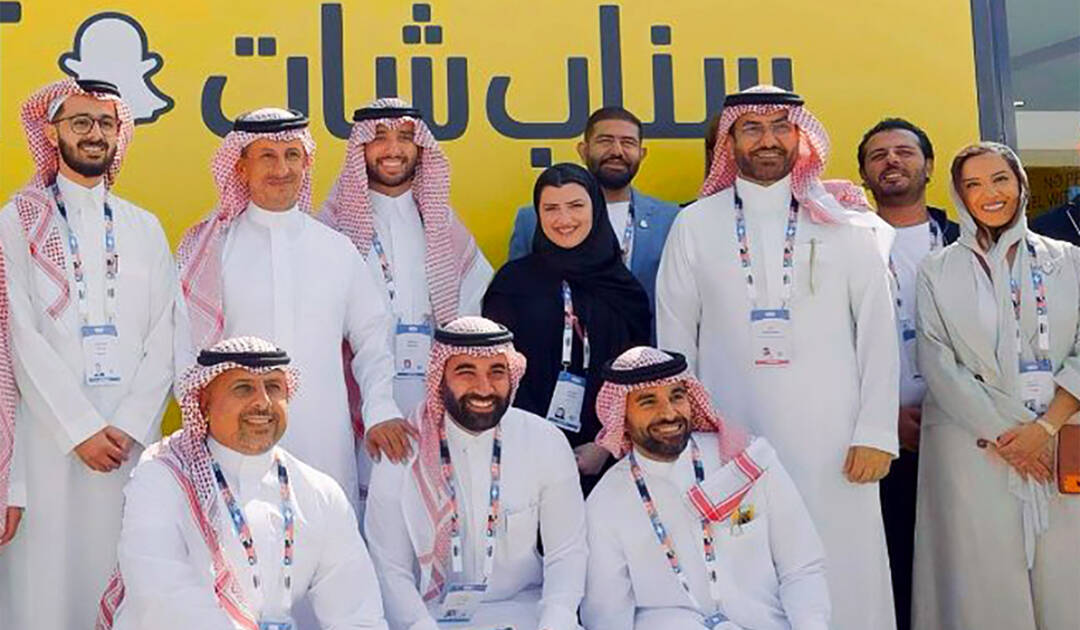
About 100 nationalities participated in TOURISE 2025, featuring 137 top speakers and 40 MOUs, totaling $130 billion in deals and generating over 2 billion social media views.
One of the sessions that caught my attention was titled “Rides of Passage: Creating Immersive Worlds,” featuring Selim Bassoul, chairman of Six Flags Entertainment; Scott Ross, chairman of United Parks and Resorts; Ajit Mohan, chief business officer of Snap; and Mohammed Alshaya, chairman of Alshaya Group.
I enjoyed a backstage chat with Selim Bassoul, whose entertainment company will celebrate its launch in Qiddiya next month.
TOURISE 2025 is shaping up to be a significant event in the global tourism industry. Its ambition, investment signals, and strategic framing indicate it is more than just a conference — it is a platform for fundamental change.
Future editions are anticipated to set a new standard for global tourism initiatives.
I sincerely congratulate Tourism Minister Ahmed Al-Khateeb and his team for organizing such an impressive first edition of TOURISE 2025, which has surely risen beyond everyone’s expectations.
2025
Happy birthday, Mr. President — and a new dawn for Syria
Last week was a period of major exposure for the Syrian Arab Republic in Saudi Arabia. It began with social events honoring the Syrian delegation, hosted by members of the Saudi-Syrian Business Council.
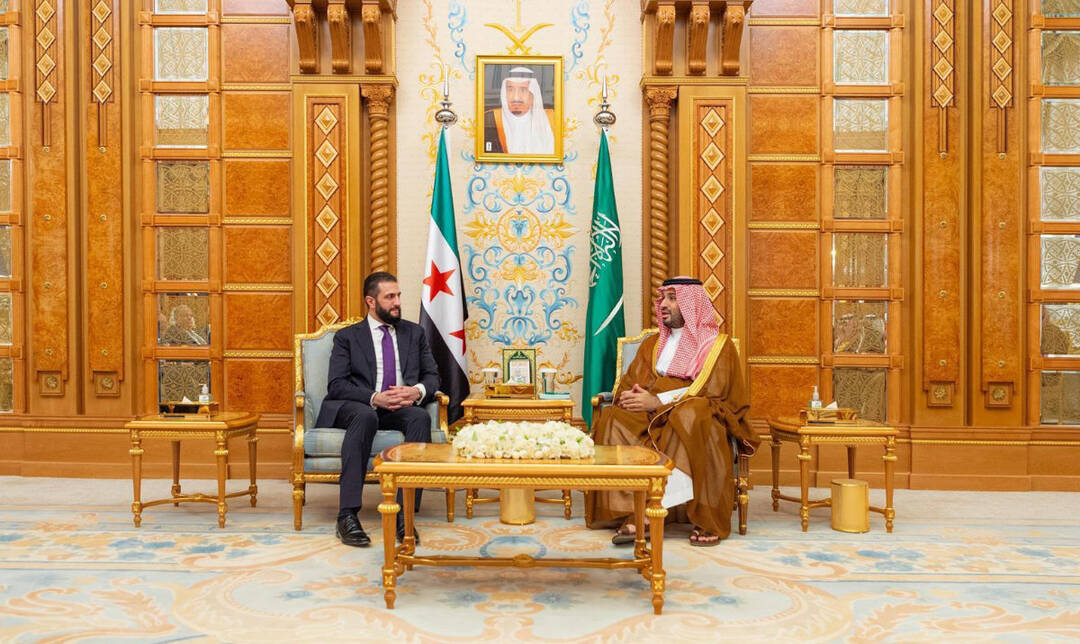
This was followed by the Ministry of Investment hosting Saudi-Syrian roundtable meetings and then a cultural evening. The week concluded with a special session at the Future Investment Initiative conference featuring Syrian President Ahmed Al-Sharaa, in the presence of Crown Prince Mohammed bin Salman.
The roundtable meetings allowed Syrian officials to share with the audience the latest developments in reforms and new regulations aimed at attracting foreign direct investment to Syria.
The Ministry of Investment organized these meetings by sector, providing a more focused approach given the tight schedule throughout the day.
The cultural evening organized by the ministry in Diriyah was unforgettable. The location, program, entertainment, and art auction, co-organized by the BMG Foundation, made for a remarkable night.
The entertainment featured melodies from Saudi Arabia and Syrian classics, followed by a charity art auction to support young talent in both countries.
Artists featured included Basil Al-Shehri and Ghaida Ashour from Saudi Arabia, along with Zain Manjouna and Ahmed Kretibi from Syria, who created works showcasing the talent of both nations.
Teams from the BMG Foundation, through its Diplomacy of Art initiative, and SoumTech, an online auction platform, partnered with the Ministry of Investment to host the auction. Proceeds from the auction will be donated to the Saudi aid agency KSrelief.
Saving the best for last, the finale was Al-Sharaa’s appearance in an interview at the FII conference. He began by praising Saudi Arabia’s leadership and economic model, stating that the Kingdom, under the crown prince, has become an economic compass and a destination for investors.
Al-Sharaa views Saudi Arabia as a vital partner in Syria’s economic recovery and reconstruction, emphasizing the importance of investment-driven growth and collaboration rather than aid alone.
Regarding the people of Syria, the president expressed confidence in their ability and dedication to rebuilding the country after enduring severe hardships, standing firm in their resolve, and ultimately securing victory.
Some analysts suggest that this shift signifies Syria’s effort to move from being seen as a security concern in the region to becoming a focal point for recovery and investment.
Many investors believe that Syria is opening up to the world, allowing foreign investors to repatriate capital and positioning itself as an emerging investment destination.
We at BMG began months ago creating a fund-of-funds investment platform called the Barada Opportunities Fund, which will focus on key sectors starting with energy, healthcare, and insurance.
It is a remarkable coincidence that the president’s interview in Riyadh took place on Oct. 29 — his birthday and in the city where he was born. We wish him a happy birthday and the people of Syria lasting peace, prosperity, and happiness, Insha Allah.
2025
The financial sector in Saudi Arabia: A decade of achievements
At a recent meeting with the governor of the Syrian Central Bank, Dr. Abdulkader Husrieh, during his visit to Riyadh, I was pleased to learn that the first central bank in the region was established in Riyadh and was called the Saudi Arabian Monetary Agency.
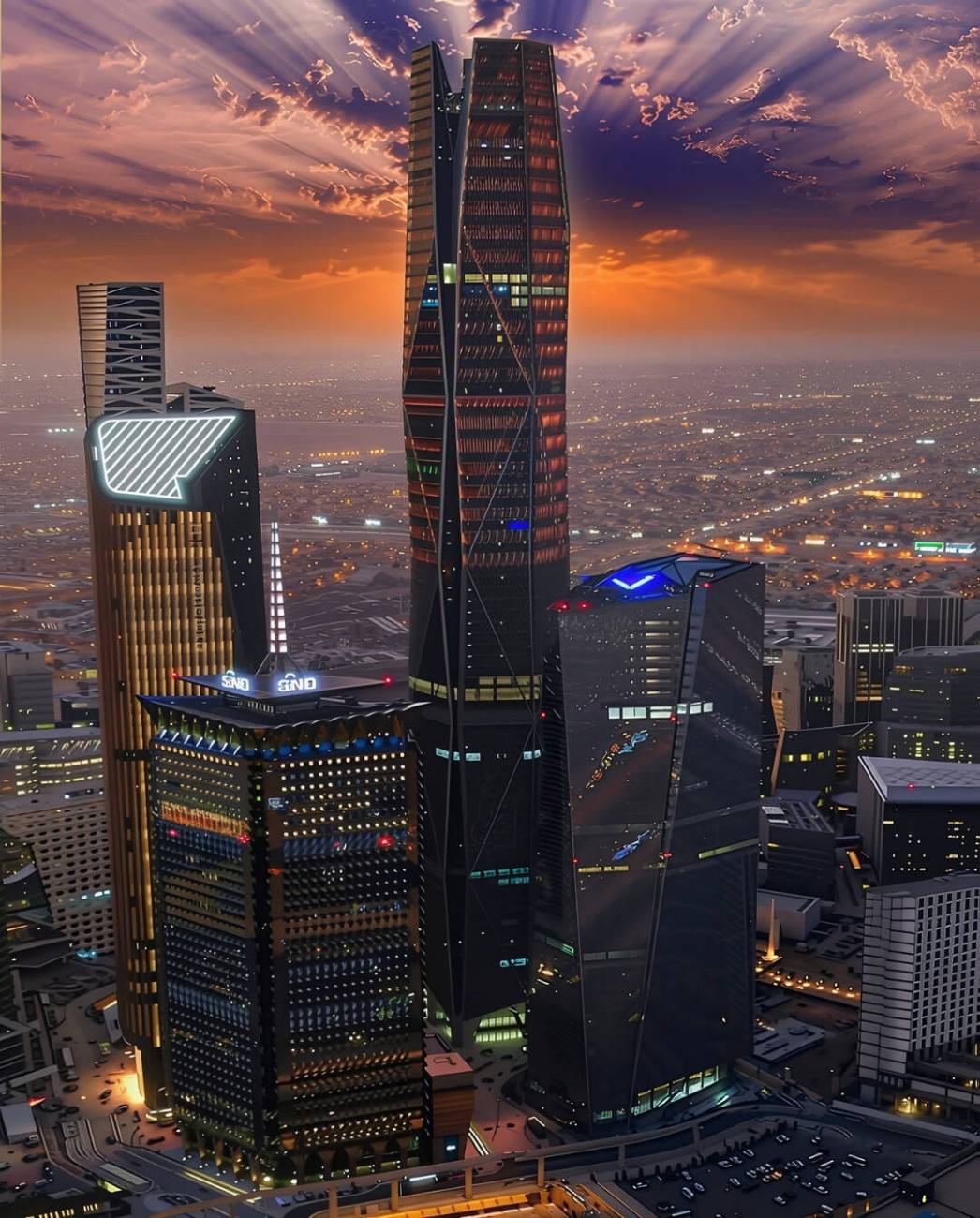
Over the past decade, Saudi Arabia’s banking sector has experienced a transformation aligned with the Kingdom’s broader economic reforms under Vision 2030. Supported by robust regulatory oversight from the Saudi Central Bank, the banking sector has preserved traditional financial stability while actively embracing modernization, digitization and support for the non-oil economy.
In terms of asset growth, banking assets nearly doubled over the past ten years, surpassing $1 trillion. This growth was driven by government spending, higher oil revenues (especially after 2021) and strong private-sector financing needs.
On consolidation, a few mergers reshaped the landscape — notably, the creation of the Saudi National Bank from National Commercial Bank and Samba Financial Group in 2021, which became the region’s largest bank by assets. What sets the Saudi banking sector apart is the rapid pace of digital transformation, particularly with significant investments in fintech partnerships, mobile banking and digital payments.
Regarding investment banking, the Saudi capital market, overseen by the Capital Market Authority, has evolved from a relatively closed, domestically focused exchange into one of the largest and most advanced markets globally.
The Saudi Exchange, Tadawul, has played a key role in promoting modernization and attracting international investors. Market capitalization nearly tripled over the decade, surpassing $2.6 trillion by 2024, driven by major initial public offerings, including Saudi Aramco’s IPO, which raised $29.4 billion and was the largest in history.
This milestone significantly impacted global markets and prompted additional IPOs — covering fintech, renewable energy and industrial firms — that further increased market participation. To enable full integration for international investors, Tadawul was included in major emerging market indices (MSCI, FTSE Russell, S&P Dow Jones), which encouraged substantial passive and active international inflows into the market.
The commercial banking sector is expected to stay resilient, driven by increased digitization, sustainable finance efforts and global integration. Banking will continue to be a key part of the diversification plan under Vision 2030. Similarly, the Saudi capital market is positioned as a regional hub and is likely to expand with more international listings, sustainable finance tools and closer ties with global capital flows. Tadawul could become one of the world’s most liquid frontier-to-emerging markets by 2030.
With these achievements in the Saudi financial sector, as an investment banker starting my career with SNB three decades ago, it is a great feeling to celebrate the 95th National Day of our beloved country.
2025
How public-private partnerships share a common mission
Last week I received an invitation from the Ministry of Investment team to attend roundtable meetings with the Syrian delegation visiting Saudi Arabia. The agenda included signing a landmark agreement to promote and protect investments between the two countries.
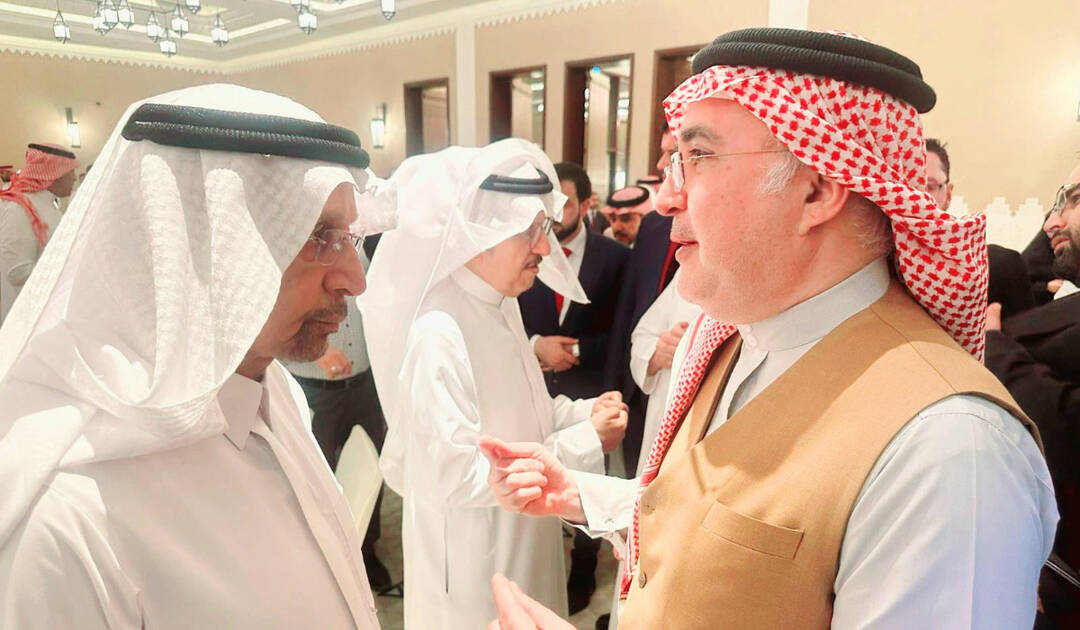
In the evening, Khalid Al-Falih, Saudi Arabia’s minister of investment, hosted a gala dinner in honor of Mohammad Nidal Al-Shaar, Syria’s minister of economy and industry, and his delegation. What made this dinner particularly special was the venue — the Bab Samhan hotel in the historic town of Diriyah.
Choosing this venue was a smart way to combine business with culture at the unique site of Diriyah. During dinner, I briefed Al-Falih about BMG Foundation’s plan to host our next Diplomacy of Art exhibition, titled “Paintings and One Heart,” showcasing works by Saudi and Syrian artists to embody a shared vision of unity and creativity.

Jerry Inzerillo, Group CEO of Diriyah Co., center, with Basil Al-Ghalayini and Aida Murad, curator of the Diplomacy of Art Exhibition. (Supplied)
It is worth noting that BMG Foundation, the social responsibility arm of BMG Financial Group, was established 25 years ago and has dedicated itself to organizing economic, cultural, and sporting events. Its mission is to support important social awareness initiatives within the Kingdom, such as safe driving, water conservation, and promoting healthy lifestyles among the younger generation.
The next day I visited Jerry Inzerillo, group CEO of Diriyah Co., where we discussed ways to form strategic partnerships to promote our respective business growth and corporate social responsibility missions.
We also shared plans for the upcoming Diplomacy of Art exhibition in Diriyah. I was pleased to meet his colleagues — Princess Dina K. Al-Saud, Sara Al-Jasser, Saud Al-Nafisi, and Mohaned Al-Debassi. My colleague and the exhibition curator, Aida Murad, also joined the meeting.
Diriyah Co., which is developing the historic district of Diriyah in Saudi Arabia, is renowned for its commitment to environmental sustainability and eco-friendly practices. This reputation is built on key strategies and initiatives, including sustainable urban planning, environmentally conscious construction methods, water conservation, biodiversity protection, effective waste management, and the adoption of renewable energy sources.
Through these efforts Diriyah Co. demonstrates leadership in environmental responsibility within large-scale urban development, setting an example for sustainable projects both regionally and globally. While all giga-projects are vital to Saudi Arabia’s future, Diriyah is arguably the most significant in terms of cultural heritage, national identity, and its key role in Vision 2030.
Diriyah’s distinctive blend of heritage, cultural vibrancy, and modern infrastructure makes it an ideal venue for hosting world-class art exhibitions, further enhancing Saudi Arabia’s reputation as a hub for the arts.
Since Diriyah, the Ministry of Investment, and BMG share a common mission, our upcoming “Paintings and One Heart” exhibition will be held at one of Diriyah’s prominent cultural venues.
2025
From Tuwaiq to Qasioun: building a bright future with hearts before hands
It has been nearly 15 years since my last trip to Damascus as chairman of the Saudi-Syrian Businessmen Council. Since then, bilateral business and investment activities have been suspended due to the geopolitical situation.
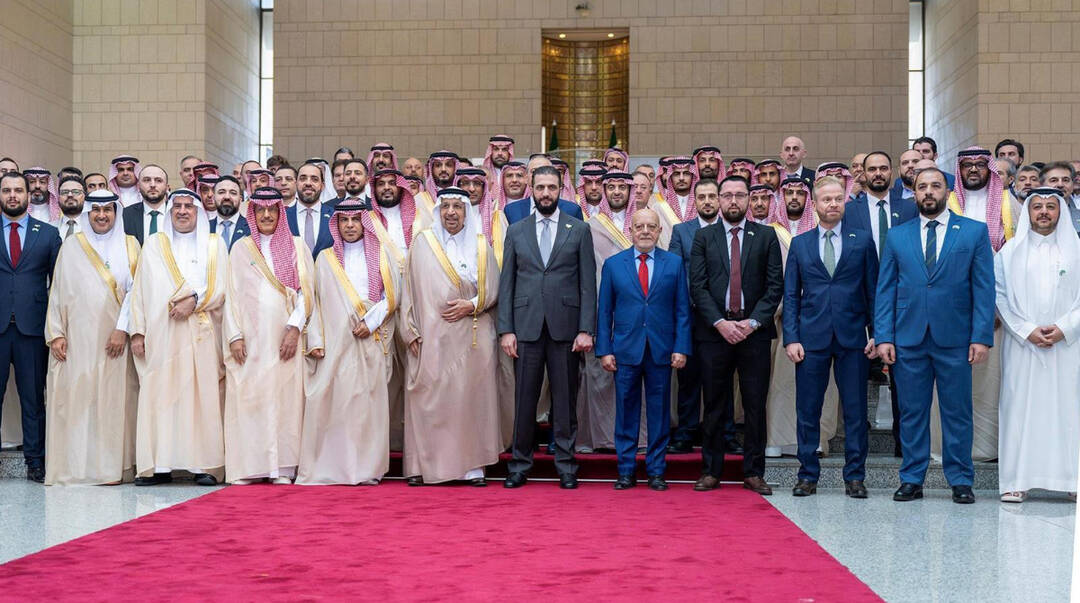
Last week, it was a delight to witness the tremendous success of the first investment forum between the two countries, held under the new Syrian leadership and its government.
Led by Investment Minister Khalid Al-Falih on the Saudi side, more than 20 government agencies and more than 100 private sector companies from Saudi Arabia participated in the forum. These represented various sectors, including energy, infrastructure, financial services, healthcare, agriculture, and communications and information technology.

Basil Al-Ghalayini, chairman of the Saudi-Syrian Businessmen Council, and vice chairman, Hamad Al-Shuwayer, at the last forum in 2009. (Supplied)
Approximately 47 agreements worth SR24 billion ($6.4 billion) were signed, covering a wide range of fields, including energy, real estate, finance, logistics, healthcare, and tourism.
In his speech, Al-Falih emphasized that the forum reflects the belief that the private sector is a key partner in achieving shared investment goals between the two countries.
He encouraged Saudi and international investors to explore opportunities in the Syrian Arab Republic and contribute to its strategic projects, thereby fostering mutual benefits across vital sectors.
It is worth noting that the timing of the forum was ideal, especially following the lifting of global sanctions on Syria and the release of the revised investment law. The updated law aims to enhance the investment climate by offering investors more guarantees and incentives, streamlining procedures, and improving transparency.
One of the signed agreements was between the Saudi Tadawul Group and the Damascus Securities Exchange, aiming to enhance cooperation in financial technologies, dual listings, data exchange, and the creation of investment funds to boost investment in Syria.
Subject to regulatory approval, we at BMG plan to reopen our offices in Damascus, establish a country fund, take family businesses public, and offer advisory services for dual listings between the two exchanges.
The new chairman of the Saudi-Syrian Businessmen Council, Mohammed Abu Nayan, who is also the chairman of ACWA Power, said during the forum that Syria and Saudi Arabia are one nation, and that “we came to Damascus as long-term partners, not just traders. We, as the private sector, are committed to investing in Syria, and we have already begun.”
With the direct blessing and endorsement of Crown Prince Mohammed bin Salman and Syrian President Ahmed Al-Sharaa, the path to Syria’s economic prosperity has already been laid. Between the iconic Mount Tuwaiq in Riyadh and Mount Qasioun in Damascus, a bright future will be built — by hearts before hands.